
- У вашому кошику немає товарів.
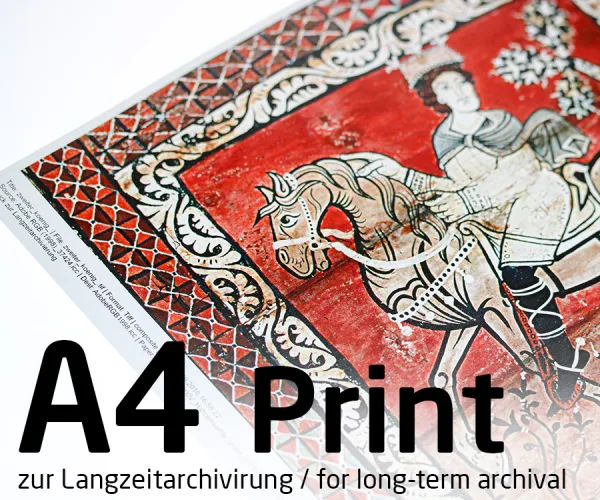
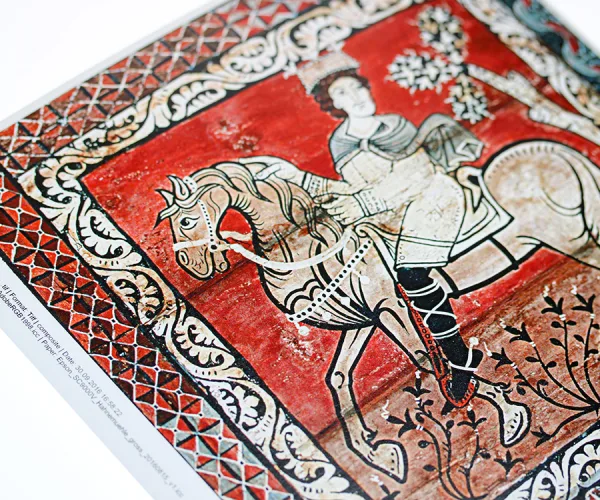


DIN A4 друки для довгострокового архівування фотографій


Формат даних: DIN A4 (297x210 мм) або менше, 600dpi макс., RGB, CMYK або LAB, з квитанцією завдання. Поставлений кінцевий формат: близько 305x230 мм
Для ваших цінних зображень і документів ми пропонуємо аналогічне рішення архівування як надрукована фотографія, яка придатна для довгострокового архівування і при сухому та темному зберіганні забезпечує архівованість більше ніж 200 років без помітної зміни кольору. Фотографії розміщуються з необуферизованими бавовняними проміжними паперами в кислотовільні та світлонепроникні картонні фото-коробки для забезпечення оптимальних умов довгострокового зберігання.

Однією з найвідоміших джерел, безсумнівно, є Wilhelm Imaging Research, який надає вражаюче кількість інформації про довгостроковість специфічних комбінацій принтер/чорнило/папір. Wilhelm Imaging Research піонерської роботи у цій галузі та був для нас важливим джерелом. Однак припущена близькість до виробників принтерів та паперу, які фінансують дослідження Вільгельма, спонукала нас шукати додаткові джерела. Наприклад, на багатьох форумах можна знайти повідомлення про те, що папери, підтверджені Wilhelm Imaging як довгостійкі, розвивали тріщини всього через кілька років. Також урахування кліматичних впливів, таких як озон, на довговічність друків було розглянуто Wilhelm Imaging лише дуже пізно. З цих причин ми не покладалися виключно на дослідження Wilhelm Imaging, а враховували подальші дослідження та висновки.
Чудовим радником був Марк Маккормік-Гудхарт, генеральний директор і засновник Aardenburg Imaging and Archives — компанії, яка займається оцінкою матеріалів для створення та збереження зображень. Aardenburg Imaging розділяється на чотири галузі: фотографія, друк, дослідження та архівування — чудово підходить для нашого завдання довгострокового архівування.
Марк Маккормік-Гудхарт зробив значний внесок у багато знань та ідей до нашого проекту. Його підхід до вимірювання мегалюкс-годин як точки вимірювання для довгострокової стабільності та його ідея i-Metric для оцінки втрати якості через зміну кольору при перегляді зображення абсолютно гідні уваги. На основі його висновків та результатів бази даних результатів Aardenburg Light Fade Test та внаслідок його оцінки нашого проекту щодо субстратів, принтерів та чорнила ми вирішили на користь hahnemühle Photo Rag Pearl.
Щодо зберігання для архівування, ми звернулися до рекомендацій д-ра Філіпа Штольпера з відділу матеріалів та охорони навколишнього середовища дослідницького товариства Fogra Forschungsgesellschaft Druck e.V. Я мав контакт з ним серед іншого щодо придатності паперу Hahnemühle, Tecco та Sihl, які частково сертифіковані Fogra за ISO 9706 ("Інформація та документація - папір для документів - вимоги до постійності"). Однак він написав нам щодо цього стандарту: "У цьому тесті визначаються число каппа (показник вмісту лігніну), лужний запас (міра речовин, які можуть нейтралізувати кислоти, що утворюються при старінні), pH у водному розчині (папір загалом кислий?) та опір розривам за Елмендорфом (механічна стабільність). Цей стандарт головним чином спрямований на забезпечення того, щоб папір не вивільняв кислоти або окислювався та не викликав додаткових пошкоджень друкарської фарби. Цей стандарт НЕ розглядає взаємозв'язок паперу та друкарської фарби, а також не розглядає зміни друкарської фарби."
Наша первинна думка полягала в розміщенні друків у поліетиленових конвертах, як рекомендується Epson для архівування. Але д-р Штольпер мав чітку рекомендацію: "Щодо поліетиленового конверта, я не знаю, чи це не може бути навіть контрпродуктивним, якщо вологість накопичується тут і мікробіологія також бере участь." Справді, це було зрозуміло, тим більше що Маккормік-Гудхарт цілувся в цей же дух: "A high quality PE wrapper won't necessarily harm anything, but probably is unnecessary unless you expect high levels of physical print handling on a routine basis." Ми потім скасували поліетиленовий конверт.
Використовувані нами принтери, чорнила, папери, проміжні шари та архівні коробки виявилися оптимальною комбінацією через численні сертифікації, результати досліджень, рекомендації та думки.
Тут виникають дві класичні проблеми цифрового зображення:
1. Проблема: ризик втрати через відмову носіїв даних
Таким чином, на даний момент практично немає альтернатив довгостроковому архівуванню цінної цифрової фотографії як друку. "A physical print is the only viable way at this point in time to ensure that future audiences will see the aesthetics of the image the way the photographer wanted them portrayed. The print is where the photographer is able to instill and ensure his or her own aesthetic values in their image craft. At this time, enduring, nothing less than a print, a tactile, physical object, very often hand signed by the artist, achieves this goal." Марк Маккормік-Гудхарт
Для ваших цінних зображень і документів ми пропонуємо аналогічне рішення архівування як надрукована фотографія, яка придатна для довгострокового архівування і при сухому та темному зберіганні забезпечує архівованість більше ніж 200 років без помітної зміни кольору. Фотографії розміщуються з необуферизованими бавовняними проміжними паперами в кислотовільні та світлонепроникні картонні фото-коробки для забезпечення оптимальних умов довгострокового зберігання.
Наші довгостроково архівовані фотодруки характеризуються такими особливостями:
- Ми друкуємо вашу фотографію з найвищою можливою розділювальною здатністю безпосередньо з вашого RGB- або LAB-кольорового простору. Вам не потрібно конвертувати зображення в спеціальні ICC профілі.
- Ми друкуємо на системі друку з найточнішою передачею кольору на всьому ринку принтерів
- Ми друкуємо з найновішими та найбільш стабільними в часі пігментами Epson HDX
- Ми друкуємо на hahnemühle Photo Rag Pearl з бавовни, який забезпечує велику здатність до зберігання
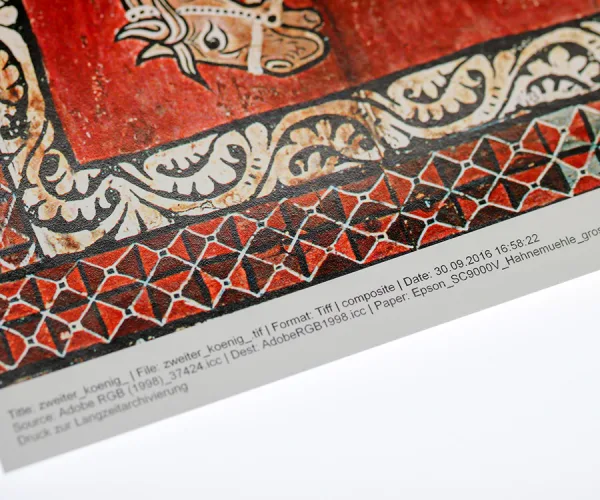
- На кожному друку у рядку статусу під зображенням позначаються назва файлу, використані ICC-профілі, дата друку, Rendering Intent, принтер, субстрат, чорнило та багато іншого
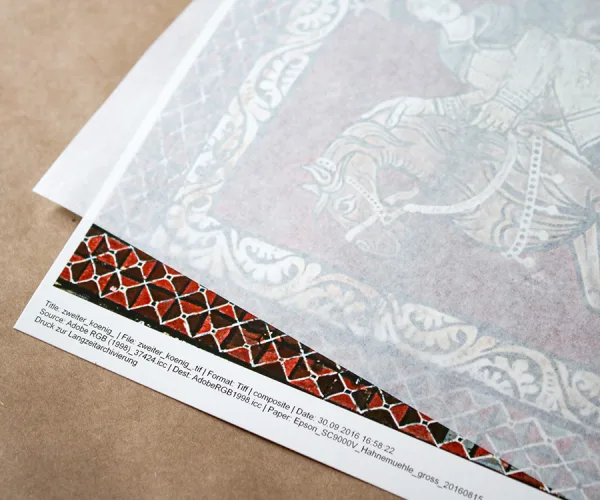
- Друки обладнані 18 г/м² необуферизованої бавовняної проміжної папери для запобігання потертостям та подряпинам
- За бажанням друки поставляються в спеціальних архівних коробках, які оптимально придатні для довгострокового архівування
- Друкарські папери, проміжні папери, архівні коробки сертифіковані та розраховані на довгострокове архівування
Детальна інформація про використовувані матеріали та їх придатність для довгострокового архівування
Фотопринтер: EPSON SureColor 9000V Spectro
- SureColor SC-P9000V — це принтер з найточнішою передачею кольору на всьому ринку принтерів1
- Він оснащений друкуючими головками Epson TFP PrecisionCore та пігментними чорнилами з помаранчевою, зеленою та фіолетовою як додатковими кольорами
- Ми друкуємо з найвищою розділювальною здатністю принтера
- Принтер та вимірювальна техніка були доставлені 23.12.2015 і введені в експлуатацію на початку 2016 року
Пігментне чорнило: EPSON HDX кольори
- Ми друкуємо 11 різними пігментними чорнилами
- За допомогою фіолетового кольору UltraChrome HDX може створювати широку палітру яскравих кольорів, а також глибокі, насичені чорні тони та густі тіні
- Нове чорнило Photo Black має на 1,5 рази вищу концентрацію пігменту порівняно з попередніми чорнилами, що забезпечує більш глибокі чорні тони.
- UltraChrome HDX чорнила були розроблені для довгої довговічності. Особливо в жовтій області були усунені слабкі місця попередніх HDR чорнил. Марк Маккормік-Гудхарт, директор Aardenburg Imaging and Archives, пише: "Жовтий був до цього часу на багато найслабшою ланкою [для довгострокової стабільності пігментів]. Новий набір чорнил HDX усуває цю слабкість [...].
- Генрі Вільгельм від Wilhelm Imaging Research пише про нові HDX чорнила: "До цих пір виміряні дані показують, що — залежно від використовуваного паперу — нові чорнила забезпечують довгострокову стабільність до 200 років для кольорових друків і ймовірно понад 400 років для чорно-білих друків. [...] “Більший Dmax, більший колірний простір і зменшена метамерія через нові пігменти Epson UltraChrome HDX означають великий прогрес у візуальній блискучості як кольорових, так і чорно-білих зображень. [...] Загальна краща продуктивність друків — це значний внесок у фотографію."
Субстрат: hahnemühle Photo Rag Pearl
- Ми довго шукали папір, здатний забезпечити такі ж довгострокові якості, як наші чорнила HDX. Ми навмисно використовували папір без смолистого покриття. Важливо також, що наш hahnemühle папір не містить оптичних відбілювачів, які з різних причин критичні для довгострокової стабільності.
- Ми вибрали папір також тому, що експерти з сертифікації мають численний досвід роботи з ним.
- Папір, як і наші принтери Epson, сертифіковано Digigraphie
- Природно-білий папір вагою 320 г/м² складається на 100% з бавовни, вільний від оптичних відбілювачів і нагадує теплотонний барит-папір. Завдяки великому кольоровому простору та високій щільності кольору досягаються виняткові кольорові та чорно-білі відтінки та тривимірність.
- Wilhelm Imaging Research вже засвідчує папіру колірну стабільність понад 200 років навіть з «старими» чорнилами Epson HDR при темному зберіганні.
Проміжний шар: папір з шовку без лужного буфера з бавовни
- Між окремими листами фотографій розміщується папір з шовку без лужного буфера з 100% бавовни вагою 17-18 г/м² для мінімізації механічного тертя
- Папір з шовку односторонньо гладкий з pH 7,0 — кислотовільний і без оптичних відбілювачів.
- Папір пройшов Photographic Activity Test (PAT) за ISO 18916.
Архівна коробка
- Фотодруки поставляються за додатковою плату в фото архівній коробці. Архівна коробка описуваний та може бути оптимально збережена. На одну архівну коробку може розміститися близько 50 зображень з проміжними паперами.
- Архівні коробки гарантовано кислотовільні і оптимальні для зберігання відбитків.
- Архівні коробки стійкі до старіння відповідно до DIN 6738, ISO 9706 та ISO 16245
Чому ми обрали ці матеріали
Коли ми почали займатися питанням довгострокового архівування фотографій, ми проводили дослідження на різних веб-сайтах та шукали поради у різних експертів.Однією з найвідоміших джерел, безсумнівно, є Wilhelm Imaging Research, який надає вражаюче кількість інформації про довгостроковість специфічних комбінацій принтер/чорнило/папір. Wilhelm Imaging Research піонерської роботи у цій галузі та був для нас важливим джерелом. Однак припущена близькість до виробників принтерів та паперу, які фінансують дослідження Вільгельма, спонукала нас шукати додаткові джерела. Наприклад, на багатьох форумах можна знайти повідомлення про те, що папери, підтверджені Wilhelm Imaging як довгостійкі, розвивали тріщини всього через кілька років. Також урахування кліматичних впливів, таких як озон, на довговічність друків було розглянуто Wilhelm Imaging лише дуже пізно. З цих причин ми не покладалися виключно на дослідження Wilhelm Imaging, а враховували подальші дослідження та висновки.
Чудовим радником був Марк Маккормік-Гудхарт, генеральний директор і засновник Aardenburg Imaging and Archives — компанії, яка займається оцінкою матеріалів для створення та збереження зображень. Aardenburg Imaging розділяється на чотири галузі: фотографія, друк, дослідження та архівування — чудово підходить для нашого завдання довгострокового архівування.
Марк Маккормік-Гудхарт зробив значний внесок у багато знань та ідей до нашого проекту. Його підхід до вимірювання мегалюкс-годин як точки вимірювання для довгострокової стабільності та його ідея i-Metric для оцінки втрати якості через зміну кольору при перегляді зображення абсолютно гідні уваги. На основі його висновків та результатів бази даних результатів Aardenburg Light Fade Test та внаслідок його оцінки нашого проекту щодо субстратів, принтерів та чорнила ми вирішили на користь hahnemühle Photo Rag Pearl.
Щодо зберігання для архівування, ми звернулися до рекомендацій д-ра Філіпа Штольпера з відділу матеріалів та охорони навколишнього середовища дослідницького товариства Fogra Forschungsgesellschaft Druck e.V. Я мав контакт з ним серед іншого щодо придатності паперу Hahnemühle, Tecco та Sihl, які частково сертифіковані Fogra за ISO 9706 ("Інформація та документація - папір для документів - вимоги до постійності"). Однак він написав нам щодо цього стандарту: "У цьому тесті визначаються число каппа (показник вмісту лігніну), лужний запас (міра речовин, які можуть нейтралізувати кислоти, що утворюються при старінні), pH у водному розчині (папір загалом кислий?) та опір розривам за Елмендорфом (механічна стабільність). Цей стандарт головним чином спрямований на забезпечення того, щоб папір не вивільняв кислоти або окислювався та не викликав додаткових пошкоджень друкарської фарби. Цей стандарт НЕ розглядає взаємозв'язок паперу та друкарської фарби, а також не розглядає зміни друкарської фарби."
Наша первинна думка полягала в розміщенні друків у поліетиленових конвертах, як рекомендується Epson для архівування. Але д-р Штольпер мав чітку рекомендацію: "Щодо поліетиленового конверта, я не знаю, чи це не може бути навіть контрпродуктивним, якщо вологість накопичується тут і мікробіологія також бере участь." Справді, це було зрозуміло, тим більше що Маккормік-Гудхарт цілувся в цей же дух: "A high quality PE wrapper won't necessarily harm anything, but probably is unnecessary unless you expect high levels of physical print handling on a routine basis." Ми потім скасували поліетиленовий конверт.
Використовувані нами принтери, чорнила, папери, проміжні шари та архівні коробки виявилися оптимальною комбінацією через численні сертифікації, результати досліджень, рекомендації та думки.
Чому важливе довгострокове архівування фотографій?
Сьогодні майже всі фотографії знімаються в цифровому форматі, образне мистецтво також часто виробляється виключно в цифровому форматі. Цифрові зображення дешеві, високороздільні, гарні за кольором і відмінно retouchable. Але чи можемо ми бути впевнені, що ці зображення можна відобразити через багато років? Що їх ще можна переглядати? Що кольори будуть виглядати так само, як у момент зйомки? Як ми можемо захистити цифровий оригінал від втрати, зберегти його кольорність віри для багатьох десятиліть та багатьох поколінь?Тут виникають дві класичні проблеми цифрового зображення:
1. Проблема: ризик втрати через відмову носіїв даних
- Кожен жорсткий диск рано чи пізно вийде з ладу або дасть помилки читання
- CD та DVD можуть кородуватися та подряпатися, приводи можуть бути недоступні в майбутньому (див. Floppy ...)
- Флеш-пам'ять та SSD не можна записувати нескінченну кількість разів, також відмова електроніки призводить до повної втрати.
- Через свій малий розмір ці носії можуть легко забутися, всмоктуватися або ненавмисне утилізовані.
- Ненавмисне падання, вода тощо можуть призвести до відмови носіїв.
- Хмара також не пропонує безпечне рішення: що, якщо провайдер стане неплатоспроможним? Хто гарантує дані? Чи буде Strato та Amazon існувати через 50 років?
- Чи можете ви протягом десятиліть та століть постійно перенести свої дані на нові носії даних і переформатувати файли на поточний стан?
- Цветной мікрофільм був би рішенням, але він майже не використовується, крім того, зворотне друкування потребує великих зусиль і вимагає спеціальних пристроїв читання та принтерів.
2. Проблема: читаність форматів даних та кольорових просторів
- Чи можуть формати даних, такі як JPG, TIF та PSD, все ще читатися через десятиліття?
- Чи можуть кольорові простори, такі як ECI-RGB V2 або AdobeRGB, все ще інтерпретуватися, оригінальність кольорів можна ще переглядати?
- Micrografx Picture Publisher, Macromedia Freehand ... зникли. Як щодо Adobe через 50 років?
- Чи можете ви впоратися з постійним зусиллям міграції в нові формати даних?
Таким чином, на даний момент практично немає альтернатив довгостроковому архівуванню цінної цифрової фотографії як друку. "A physical print is the only viable way at this point in time to ensure that future audiences will see the aesthetics of the image the way the photographer wanted them portrayed. The print is where the photographer is able to instill and ensure his or her own aesthetic values in their image craft. At this time, enduring, nothing less than a print, a tactile, physical object, very often hand signed by the artist, achieves this goal." Марк Маккормік-Гудхарт
Для кожного товару можна завантажити один або кілька файлів після завершення замовлення.
Кожен файл може бути розміром до 900 МБ.
Приклад: Ви замовляєте 10 у форматі DIN A3 та 2 у форматі DIN A2. Після завершення замовлення ви можете завантажити для формату DIN A3 один файл з 10 сторінками у форматі DIN A3 та для двох у форматі DIN A2 два файли з однією сторінкою кожен. Якщо ми повинні зробити кілька копій одного, повідомте нам про це в повідомленні товару.
На зображенні показано, як виглядає ваше замовлення DIN A4 перед завантаженням.

Тепер ви вибираєте файл для перевірки та завантажуєте його. Після завантаження ви можете перевірити дані proof ще раз, завантажити, видалити або завантажити інші дані.


Тепер завершіть замовлення, натиснувши кнопку "Завантажень готово, завершити замовлення".
Ваше замовлення більше не можна редагувати. Ми отримаємо повідомлення про те, що тепер можна розпочати перевірку даних та proof.

Навіть після завершення замовлення ви можете переглядати своє замовлення в будь-який час, але не можете його змінювати.
Якщо ваші дані помилкові під час перевірки даних, ми повторно відкриємо замовлення, щоб ви могли видалити помилкові дані та завантажити нові. Потім будь ласка повторно завершіть замовлення.
Ваші завантажені дані залишаються на нашому сервері принаймні 1 рік і можуть бути переглянуті та завантажені вами для перевірки протягом цього часу.