
- У вашому кошику немає товарів.
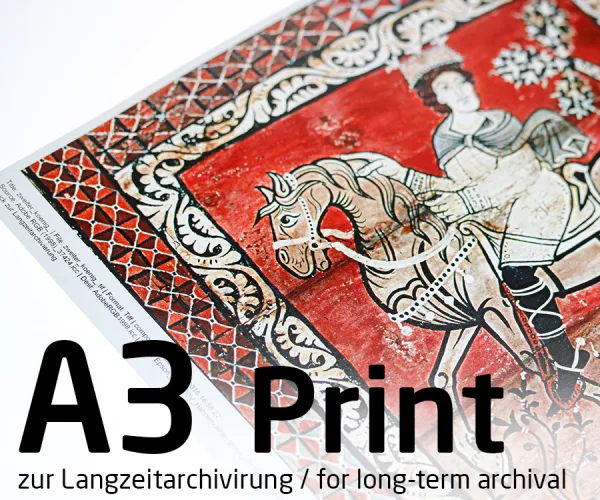
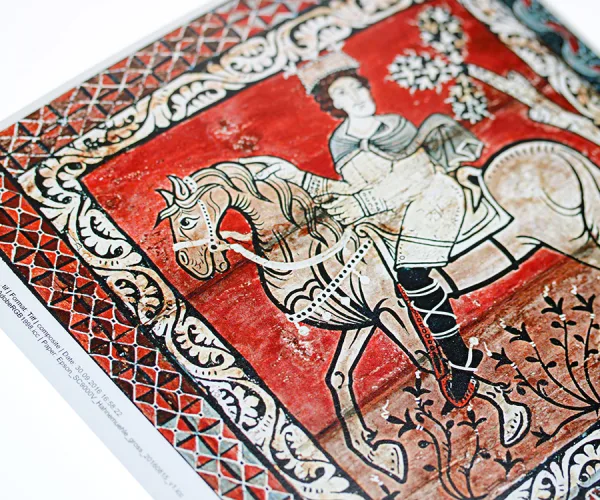


Друки DIN A3 для довгострокового архівування фотографій


Формат даних: DIN A3 (420x297 мм) або менше, 600dpi макс., RGB, CMYK або LAB, з квитанцією завдання. Поставлений кінцевий формат: приблизно 430x315 мм
Для ваших цінних зображень та документів ми пропонуємо аналогове рішення для архівування у вигляді надрукованої фотографії, яка підходить для довгострокового архівування та забезпечує архівованість більш ніж 200 років при сухому та темному зберіганні без помітної зміни кольору. Фотографії розміщуються з небуферованими бавовняними проміжними папірами у кислотонейтральні та світлонепроникні картонні фотокоробки для забезпечення оптимальних умов довгострокового зберігання.

Одне з найвідоміших джерел — це, безумовно, Wilhelm Imaging Research, яка надає вражаючу кількість інформації про довгострокову збереженість конкретних комбінацій принтер / чорнила / папір. Wilhelm Imaging Research, безсумнівно, провела піонерські роботи і була для нас важливим джерелом. Проте близькість до промисловості принтерів і паперу, яка фінансує дослідження Вільгельма, змусила нас шукати додаткові джерела. Наприклад, багато джерел повідомляють, що комбінації папір-чорнила, підтверджені Вільгельмом як надзвичайно довгостійкі, розвивали тріщини протягом всього кількох років. Також врахування кліматичних впливів, таких як озон на відбитки, мабуть, було враховано Wilhelm Imaging дуже пізно. З цих причин ми консультувалися з додатковими експертами.
Відмінним консультантом був Марк Мак-Кормік-Гудхарт, керівник і засновник Aardenburg Imaging and Archives — компанії, яка займається оцінкою матеріалів для створення та збереження зображень. Aardenberg Imaging розділяється на чотири галузі: фотографія, друк, дослідження та архівація — ідеальна відповідність для нашої місії довгострокового архівування.
Марк Мак-Кормік-Гудхарт став автором багатьох ідей та ідей для нашого проекту. Його підхід вимірювання мегалюкс-годин як точка виміру для довгострокової стабільності та його ідея i-Metric для оцінки втрати якості через зміну кольору при перегляді зображення абсолютно варті уваги. На основі його ідей та результатів Бази даних результатів тесту світлового вицвітання Aardenburg та на основі його оцінки нашого проекту щодо субстратів, принтерів та чорнил ми вирішили обрати hahnemühle Photo Rag Pearl.
Щодо зберігання для архівування, ми звернулися до рекомендацій д-ра Філіппа Штольпера з відділу матеріалів та охорони навколишнього середовища дослідницької компанії Fogra e.V. Я звертався до нього, серед іншого, щодо придатності паперу hahnemühle / Tecco / Sihl, які, як видомо, частково сертифіковані Fogra відповідно до ISO 9706 (« Інформація та документація - Папір для документів - Вимоги до постійності»). Однак він написав нам щодо цієї норми: «При цьому тестуванні визначається числова величина Каппа (показник вмісту лігніну), лужний резерв (міра речовин, які можуть нейтралізувати кислоти, утворені при старінні), рН у водному розчині (папір загалом кислотний?) та опір розриву за Елмендорфом (механічна стабільність). Ця норма спрямована передусім на те, щоб забезпечити, щоб папір не виділяв кислот чи не окислювався, таким чином, викликаючи додаткові пошкодження друкарської фарби. Ця норма НЕ розглядає відносини між папіром та чорнилами для друку, також не розглядається зміна чорнил для друку.»
Нашою первоначальною ідеєю було розміщення відбитків у поліетиленових конвертах, як рекомендується Epson для архівування. Але у д-ра Штольпера була чітка рекомендація: «Щодо полієтиленової оболонки, я не знаю, чи це не може бути контрпродуктивно, якщо тут накопичується вологість і мікробіологія теж покликається.» Справедливо кажучи, це було зрозумілим, крім того, Мак-Кормік-Гудхарт бив у той же біб: «Високоякісна обгортка PE не обов'язково ніщо не завдасть шкоди, але, ймовірно, не потрібна, якщо ви не очікуєте високих рівнів фізичної роботи з відбитком на постійній основі.» Ми відповідно відмовилися від поліетиленової оболонки.
Тут ми говоримо про дві класичні проблеми:
1. Проблема: Небезпека повної втрати носіїв інформації
2. Проблема: Читаність форматів даних та кольорових просторів
Поряд з архіванням як друк, на даний момент немає альтернатив. «Фізичний отпечаток — це єдиний життєздатний спосіб на даний момент гарантувати, що майбутня аудиторія побачить естетику зображення так, як фотограф хотів їх змалювати. Отпечаток — це місце, де фотограф здатен виразити та забезпечити свої власні естетичні цінності у своєму творчому ремеслі. На даний момент, довговічне, не менше ніж отпечаток, матеріальний об'єкт, дуже часто підписаний художником від руки, досягає цієї мети.» Марк Мак-Кормік-Гудхарт
Для ваших цінних зображень та документів ми пропонуємо аналогове рішення для архівування у вигляді надрукованої фотографії, яка підходить для довгострокового архівування та забезпечує архівованість більш ніж 200 років при сухому та темному зберіганні без помітної зміни кольору. Фотографії розміщуються з небуферованими бавовняними проміжними папірами у кислотонейтральні та світлонепроникні картонні фотокоробки для забезпечення оптимальних умов довгострокового зберігання.
Наші фотодруки, придатні для довгострокового архівування, характеризуються такими особливостями:
- Ми друкуємо вашу фотографію з найвищою можливою розділською здатністю безпосередньо з вашого RGB-кольорового простору. Вам не потрібно виконувати конвертування зображень у спеціальні ICC-профілі.
- Ми друкуємо на системі друку з найточнішою передачею кольору на всьому ринку друкарів
- Ми друкуємо новітніми та найстабільнішими за часом пігментами Epson HDX
- Ми друкуємо на hahnemühle Photo Rag Pearl з бавовни, яка забезпечує величезну здатність до зберігання
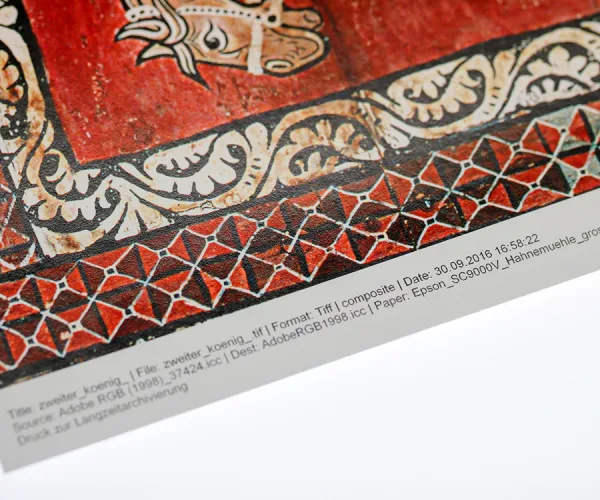
- На кожному надрукованому матеріалі у рядку статусу під зображенням зазначаються ім'я файлу, використані ICC-профілі, дата друку, Rendering Intent, принтер, субстрат, пігментні чорнила та багато іншого
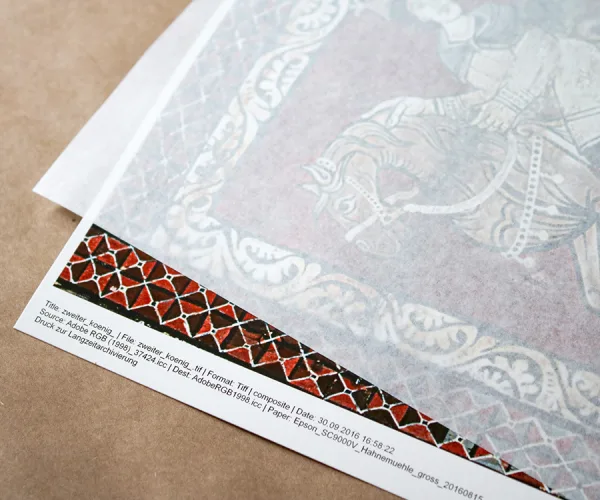
- Відбитки оснащені 18 г/м² небуферованими бавовняними проміжними шарами для запобігання тертю та подряпинам
- За бажанням відбитки поставляються у спеціальних архівних коробках, які оптимальні для довгострокового архівування
- Папір для друку, проміжний папір, архівні коробки сертифіковані та розроблені для довгострокового архівування.
Детальна інформація про використовувані матеріали та їх придатність для довгострокового архівування
Фотопринтер: EPSON SureColor 9000V Spectro
- SureColor SC-P9000V — це принтер з найточнішою передачею кольору на всьому ринку друкарів1
- Друкуюча головка Epson TFP PrecisionCore та пігментні чорнила з помаранчевим, зеленим та фіолетовим як додатковими кольорами
- Ми друкуємо з найвищою можливою розділською здатністю принтера
- Ми друкуємо прямо з вашого RGB-кольорового простору, щоб відтворити якомога більше від вашого сфотографованого кольорового діапазону
- Принтер та вимірювальна техніка були поставлені 23.12.2015 та введені в експлуатацію на початку 2016 року
Пігментна чорнила: EPSON HDX Кольори
- Ми друкуємо 11 різними пігментними чорнилами
- За допомогою фіолетового UltraChrome HDX чорнила можна створити великий спектр яскравих кольорів, а також глибокі, насичені чорні тони та щільні тіньові області
- Нова чорнила Photo Black має концентрацію пігменту в 1,5 рази вищу порівняно з попередніми чорнилами, що забезпечує глибші чорні тони.
- UltraChrome HDX чорнила розроблені для довгої тривалості. Особливо в жовтій області були усунені слабкі місця попередніх HDR-чорнил. Марк Мак-Кормік-Гудхарт, директор Aardenburg Imaging and Archives пише: «Жовтий був безперечно найслабшою ланкою [для довгострокової стабільності пігментів]. Новий набір HDX чорнил усуває цю слабість[...].
- Генрі Вільгельм від Wilhelm Imaging Research пише про нові HDX чорнила: «Дані, виміряні до цього часу, показують, що — в залежності від використовуваного паперу — нові чорнила пропонують довгострокову стабільність до 200 років для кольорових відбитків і, ймовірно, більше 400 років для чорно-білих відбитків. [...] «Більший Dmax, більший кольоровий простір і зменшена метамерія завдяки новим пігментам Epson UltraChrome HDX означають великий прогрес у візуальній яскравості як кольорових, так і чорно-білих зображень. [...] Загальна краща продуктивність відбитків є значним внеском у фотографію.»
Субстрат: hahnemühle Photo Rag Pearl
- Ми довго шукали папір, який здатний забезпечити такі ж довгострокові якості, як наші чорнила HDX. Ми цілеспрямовано використали папір без смоляного покриття. Також важливо, що наш hahnemühle папір не містить яких-небудь оптичних відбілювачів, які з різних причин критичні для довгострокової стабільності.
- Ми вибрали папір також тому, що експерти з сертифікації мають численний досвід роботи з ним.
- Папір, як і наш Epson принтер, сертифікований для digigraphy
- Природно-білий папір з щільністю 320 г/м² складається на 100% з бавовни, вільний від оптичних відбілювачів і нагадує теплотонний барит-папір. З великим кольоровим простором і високою щільністю кольору досягаються надзвичайні кольорові та чорно-білі відтінки та досягається 3-вимірність.
- Wilhelm Imaging Research підтверджує для паперу зі «старими» чорнилами Epson кольорову стабільність при темному зберіганні більш ніж 200 років.
Проміжна подушка: Шовковистий папір без лужного буфера з бавовни
- Між окремими фотолистами вставляється шовковистий папір без лужного буфера зі 100% бавовни вагою 17-18 г/м² для мінімізації механічного тертя
- Шовковистий папір гладкий з однієї сторони з pH 7,0 - кислотонейтральний і без оптичних відбілювачів.
- Папір пройшов тест фотографічної активності (PAT) відповідно до ISO 18916.
Архівна коробка
- Ми поставляємо фотодруки за додаткову плату в коробці архіву hahnemühle Foto. Архівна коробка помічена і може оптимально зберігатися. На одну архівну коробку можна розмістити приблизно 50 зображень з проміжними папірами.
- Архівні коробки гарантовано кислотонейтральні і оптимальні для зберігання отпечатков.
- Архівні коробки стійкі до старіння відповідно до DIN 6738, ISO 9706 та ISO 16245
Чому ми вибрали ці матеріали
Коли ми почали займатися довгостроковим архіванням фотографій, ми провели дослідження на різних веб-сайтах і консультувалися з різними експертами.Одне з найвідоміших джерел — це, безумовно, Wilhelm Imaging Research, яка надає вражаючу кількість інформації про довгострокову збереженість конкретних комбінацій принтер / чорнила / папір. Wilhelm Imaging Research, безсумнівно, провела піонерські роботи і була для нас важливим джерелом. Проте близькість до промисловості принтерів і паперу, яка фінансує дослідження Вільгельма, змусила нас шукати додаткові джерела. Наприклад, багато джерел повідомляють, що комбінації папір-чорнила, підтверджені Вільгельмом як надзвичайно довгостійкі, розвивали тріщини протягом всього кількох років. Також врахування кліматичних впливів, таких як озон на відбитки, мабуть, було враховано Wilhelm Imaging дуже пізно. З цих причин ми консультувалися з додатковими експертами.
Відмінним консультантом був Марк Мак-Кормік-Гудхарт, керівник і засновник Aardenburg Imaging and Archives — компанії, яка займається оцінкою матеріалів для створення та збереження зображень. Aardenberg Imaging розділяється на чотири галузі: фотографія, друк, дослідження та архівація — ідеальна відповідність для нашої місії довгострокового архівування.
Марк Мак-Кормік-Гудхарт став автором багатьох ідей та ідей для нашого проекту. Його підхід вимірювання мегалюкс-годин як точка виміру для довгострокової стабільності та його ідея i-Metric для оцінки втрати якості через зміну кольору при перегляді зображення абсолютно варті уваги. На основі його ідей та результатів Бази даних результатів тесту світлового вицвітання Aardenburg та на основі його оцінки нашого проекту щодо субстратів, принтерів та чорнил ми вирішили обрати hahnemühle Photo Rag Pearl.
Щодо зберігання для архівування, ми звернулися до рекомендацій д-ра Філіппа Штольпера з відділу матеріалів та охорони навколишнього середовища дослідницької компанії Fogra e.V. Я звертався до нього, серед іншого, щодо придатності паперу hahnemühle / Tecco / Sihl, які, як видомо, частково сертифіковані Fogra відповідно до ISO 9706 (« Інформація та документація - Папір для документів - Вимоги до постійності»). Однак він написав нам щодо цієї норми: «При цьому тестуванні визначається числова величина Каппа (показник вмісту лігніну), лужний резерв (міра речовин, які можуть нейтралізувати кислоти, утворені при старінні), рН у водному розчині (папір загалом кислотний?) та опір розриву за Елмендорфом (механічна стабільність). Ця норма спрямована передусім на те, щоб забезпечити, щоб папір не виділяв кислот чи не окислювався, таким чином, викликаючи додаткові пошкодження друкарської фарби. Ця норма НЕ розглядає відносини між папіром та чорнилами для друку, також не розглядається зміна чорнил для друку.»
Нашою первоначальною ідеєю було розміщення відбитків у поліетиленових конвертах, як рекомендується Epson для архівування. Але у д-ра Штольпера була чітка рекомендація: «Щодо полієтиленової оболонки, я не знаю, чи це не може бути контрпродуктивно, якщо тут накопичується вологість і мікробіологія теж покликається.» Справедливо кажучи, це було зрозумілим, крім того, Мак-Кормік-Гудхарт бив у той же біб: «Високоякісна обгортка PE не обов'язково ніщо не завдасть шкоди, але, ймовірно, не потрібна, якщо ви не очікуєте високих рівнів фізичної роботи з відбитком на постійній основі.» Ми відповідно відмовилися від поліетиленової оболонки.
Чому довгострокове архівування фотографій є важливим?
Сьогодні майже всі фотографії робляться в цифровому форматі. Цифрові зображення дешеві, високовідокремлювальні, хорошої якості кольору та відмінно переносяться. Але чи можемо ми бути впевнені, що ці зображення можна будуть переглядати через багато років? Що їх можна буде переглядати? Що кольори будуть виглядати так само, як у момент знімання?Тут ми говоримо про дві класичні проблеми:
1. Проблема: Небезпека повної втрати носіїв інформації
- Жорсткі диски можуть вийти з ладу або виробити помилки читання
- CD та DVD можуть піддаватися корозії та подряпинам
- Flash-пам'ять та SSD не можуть писатися нескінченно, відмова електроніки призводить до повної втрати.
- Через свій невеликий розмір ці носії можуть бути легко забуті або випадково викинені.
- Випадкове падіння, вода тощо можуть призвести до відмови носіїв.
- Хмара також не пропонує безпечне рішення: Що, якщо постачальник стане неплатоспроможним? Хто гарантує дані? Чи будуть Strato та Amazon існувати через 50 років?
- Чи можете ви постійно переносити свої дані на нові носії даних та зберігати їх кілька разів?
- Кольоровий мікрофільм був би рішенням, але його майже не використовують, крім того, друк має низьку розділювальну здатність і вимагає спеціального обладнання для читання та принтерів.
2. Проблема: Читаність форматів даних та кольорових просторів
- Чи можна буде читати формати даних, такі як JPG, TIF та PSD за десятиліття?
- Чи можуть кольорові простори, такі як ECI-RGB V2 або AdobeRGB, ще інтерпретуватися, чи можна ще переглядати первозданні кольори?
- Чи можете ви справитися з постійними витратами на міграцію в нові формати даних?
Поряд з архіванням як друк, на даний момент немає альтернатив. «Фізичний отпечаток — це єдиний життєздатний спосіб на даний момент гарантувати, що майбутня аудиторія побачить естетику зображення так, як фотограф хотів їх змалювати. Отпечаток — це місце, де фотограф здатен виразити та забезпечити свої власні естетичні цінності у своєму творчому ремеслі. На даний момент, довговічне, не менше ніж отпечаток, матеріальний об'єкт, дуже часто підписаний художником від руки, досягає цієї мети.» Марк Мак-Кормік-Гудхарт
До кожного товару ви можете завантажити один або кілька файлів після завершення замовлення.
Кожний файл може бути розміром до 900 МБ.
Приклад: ви замовляєте 10 у форматі DIN A3 та 2 у форматі DIN A2. Після завершення замовлення ви можете завантажити один файл з 10 сторінками у форматі DIN A3 для формату DIN A3 та два файли з однією сторінкою кожен у форматі DIN A2 для двох форматів DIN A2. Якщо ми повинні виготовити кілька копій, повідомте нас про це в повідомленні статті.
На рисунку показано, як виглядає ваше замовлення на DIN A4 перед завантаженням.

Тепер ви вибираєте файл, який потрібно доказати, і завантажуєте його. Після завантаження ви можете перевірити, завантажити, видалити свої дані proof або завантажити інші дані.


Тепер завершіть замовлення, натиснувши кнопку «Завантаження(я) готові, завершити замовлення».
Тоді ваше замовлення більше не можна редагувати для вас. Ми отримуємо повідомлення про те, що ми тепер можемо почати перевірку даних та розпочати доказ.

Навіть після завершення замовлення ви можете переглядати своє замовлення в будь-який час, але більше не можете його змінювати.
Якщо ваші дані мають помилки при перевірці даних, ми повторно відкриємо замовлення, щоб ви могли видалити помилкові дані та завантажити нові. Потім будь ласка, повторно закрийте замовлення.
Ваші завантажені дані залишаються на нашому сервері щонайменше 1 рік і можуть переглядатися вами та завантажуватися для контролю під час цього періоду.